About Us
Small and Medium Enterprises (SMEs) play a vital role in contributing to Cambodia’s inclusive and resilient socioeconomic development by meeting domestic demand, creating employment opportunities, generating income, and promoting exports. Nevertheless, the development of SMEs in Cambodia continues to face several structural challenges, particularly among enterprises operating in the informal economy. These challenges include limited access to finance and low competitiveness, among others.
In response, the Royal Government of Cambodia has continued to address these challenges through the implementation of various policies and targeted measures, including initiatives aimed at improving access to credit. As a result, SME Bank of Cambodia Plc. (SME Bank) was established under the technical and financial supervision of the Ministry of Economy and Finance.
SME Bank was founded with the mission of providing efficient, transparent, and accessible financing to support the development of SMEs, thereby promoting economic diversification and export growth. Over more than six years of operations, the Bank has continuously strengthened its capacity to deliver quality financing solutions to SMEs across Cambodia in a wide range of sectors, particularly in the following priority sectors:
- Manufacturing and processing;
- Industrial production;
- Research and development in information technology;
- Enterprises operating within SME Cluster and regional development zone (Cluster Zones);
- Medical products and pharmaceuticals; and
- Support services for enterprises operating in priority sectors.

- VISION

- MISSION
We believe that we have a part to play in providing affordable and value-added banking services towards the development of Small and Medium Enterprises While exceeding the expectations of our employees, customers, and other stakeholders. We aspire to achieve this by living up to our core values, “IPACE.”

We strive for operational excellence to ensure profitability, growth, and sustainability for all our stakeholders.

We consider all employees as our core asset and will respect, value, and actively engage them in all our business dealings.

We will be professional by being accountable to all our stakeholders and responsible in discharging our duties.

As customers are the main purpose for our existence, we will provide excellent and consistent customer experience.

We will ingrain integrity in our DNA to ensure a high level of trust and reputation in our business.
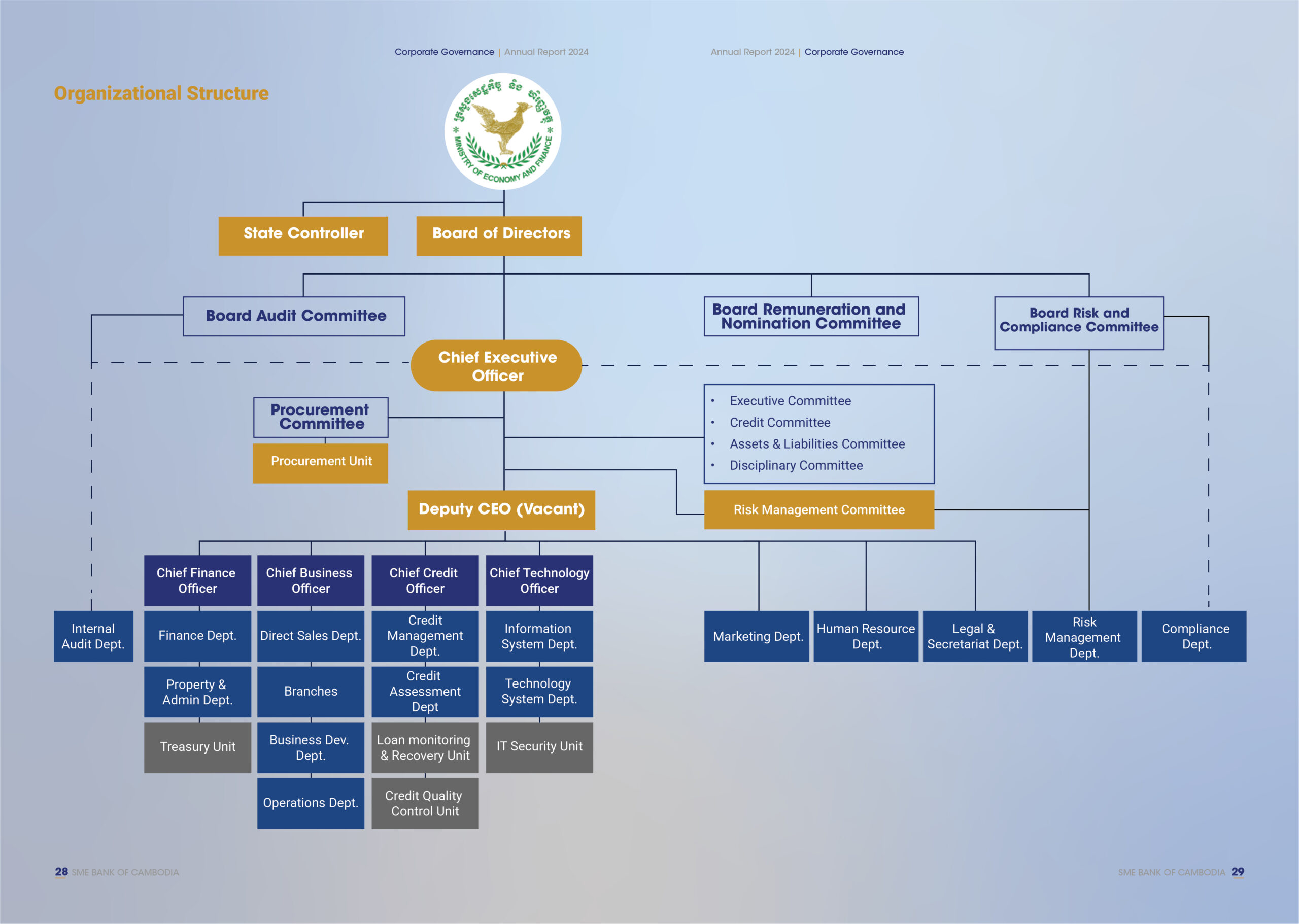
CORPORATE STRUCTURE
- Board of Directors
Secretary of State, Ministry of Economy and Finance
(Chairman of Board of Directors)
History of H.E. Dr. PHAN PHALLA
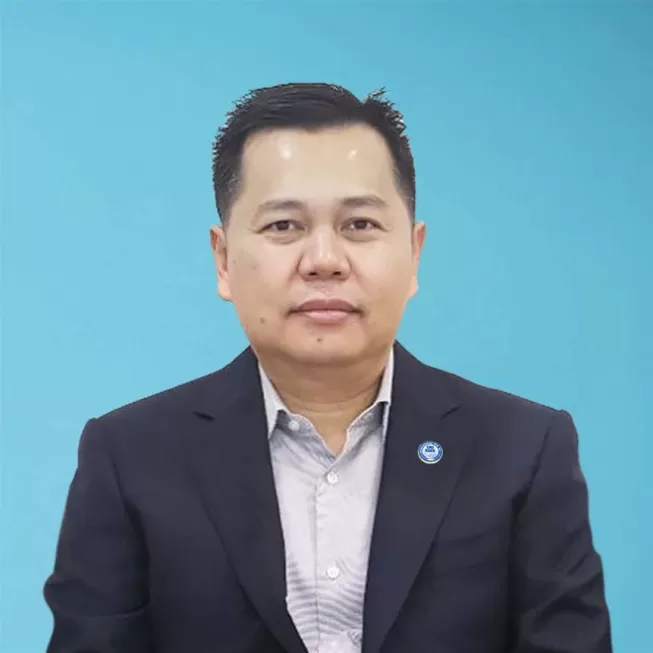
H.E. Dr. PHAN PHALLA
Secretary of State, Ministry of Economy and Finance, and Chairman of the Board of SME Bank
H.E. Dr. PHAH Phalla joined the Ministry of Economy and Finance and the Supreme National Economic Council in 2004. Over the past two decades, he has made significant contributions to a number of key national initiatives, including the development of the Financial Management Information System (FMIS), the Public Financial Management Reform Program (PFMRP), revenue mobilization strategies, and the Strategic Framework and Programs for Cambodia’s Economic Recovery and Growth in the New Normal Following COVID-19.
He has also played a leading role in the formulation of national and sectoral strategies, as well as in macroeconomic policy analysis and management. Currently, H.E. Dr. Phan Phalla serves as Secretary of State at the Ministry of Economy and Finance, Member of the Supreme National Economic Council, Secretary-General of the Economic and Financial Policy Committee, Chairman of the Board of Directors of SME Bank of Cambodia Plc., Chairman of the Board of Directors of the Skills Development Fund (SDF), and Member of the Board of Directors of the Sihanoukville Autonomous Port. H.E. Dr. Pan Phalla holds a Doctoral Degree (Ph.D.) in Economics from Australia.
History of H.E TEP Phiyorin
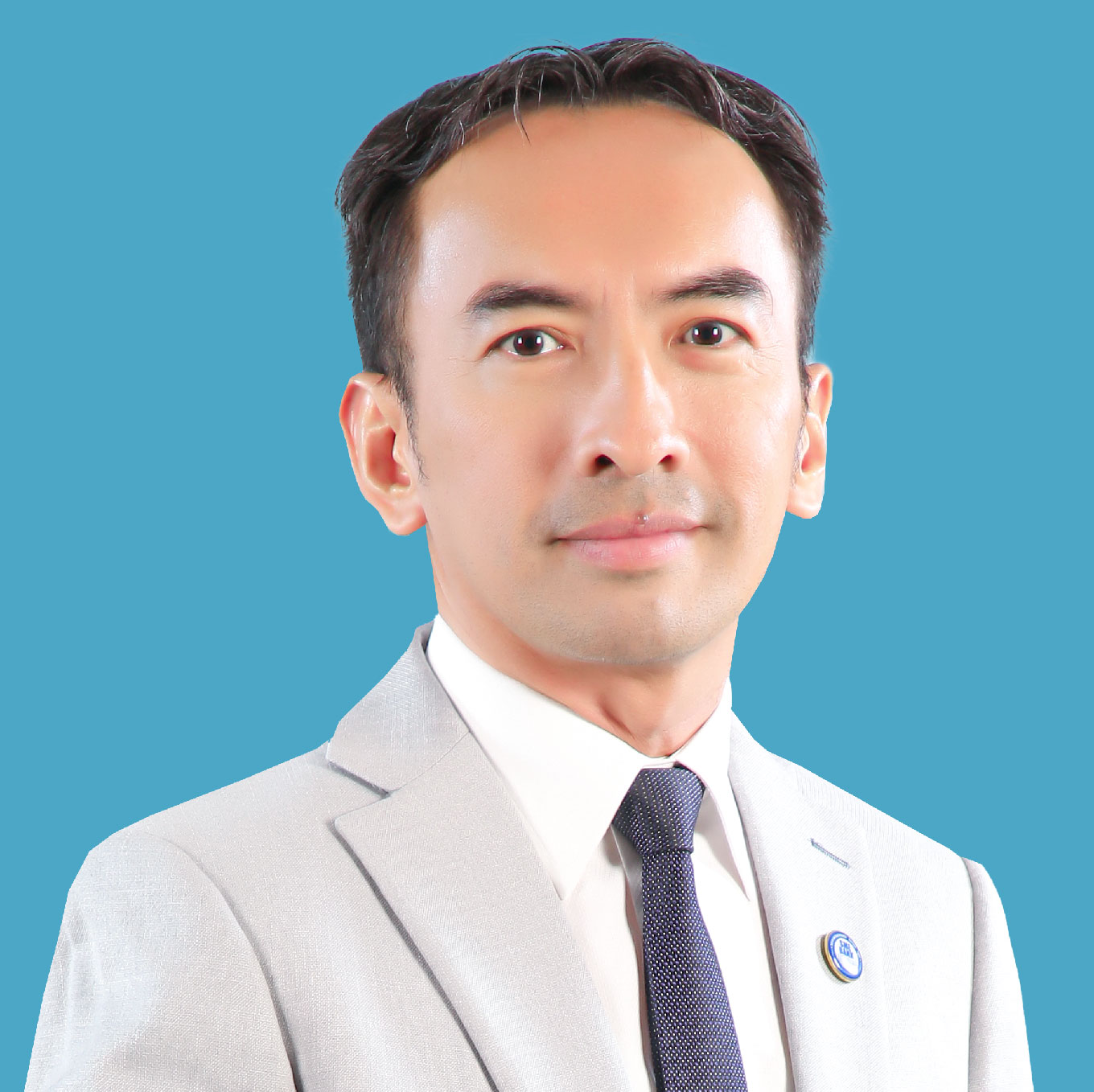
H.E TEP Phiyorin
Member of Board of Directors
H.E. TEP Phiyorin is Undersecretary of State at the Ministry of Economy and Finance, responsible for monitoring macroeconomic conditions, overseeing policy review, and analyzing key development-related issues. He has made direct contributions to the formulation of medium-term macroeconomic and public financial policies, the evaluation of public investment programs, and the provision of strategic recommendations on economic, financial, trade, and public sector governance matters.
He joined the Ministry of Economy and Finance in 1999 as a Budget Officer and has since been promoted through successive senior positions, including Head of the Macroeconomic Office, Deputy Director General, and Director General of the General Department of Economic Policy and Public Finance. He has extensive experience in fiscal policy, budget planning, and macroeconomic analysis. In 2015, he was appointed as an Advisor to the Executive Director of the World Bank Group in Washington, D.C., where he contributed to international policy discussions on economic governance and public finance. Upon returning to Cambodia, he was appointed Director General of the General Department of Policy before assuming his current role as Under Secretary of State.
H.E. TEP Phiyorin holds a master’s degree in public Economic Management and Finance from the University of Birmingham, and a master’s degree in economics from the Kharkiv National University of Economics.
Member of Board of Directors
History of H.E SON Senghout
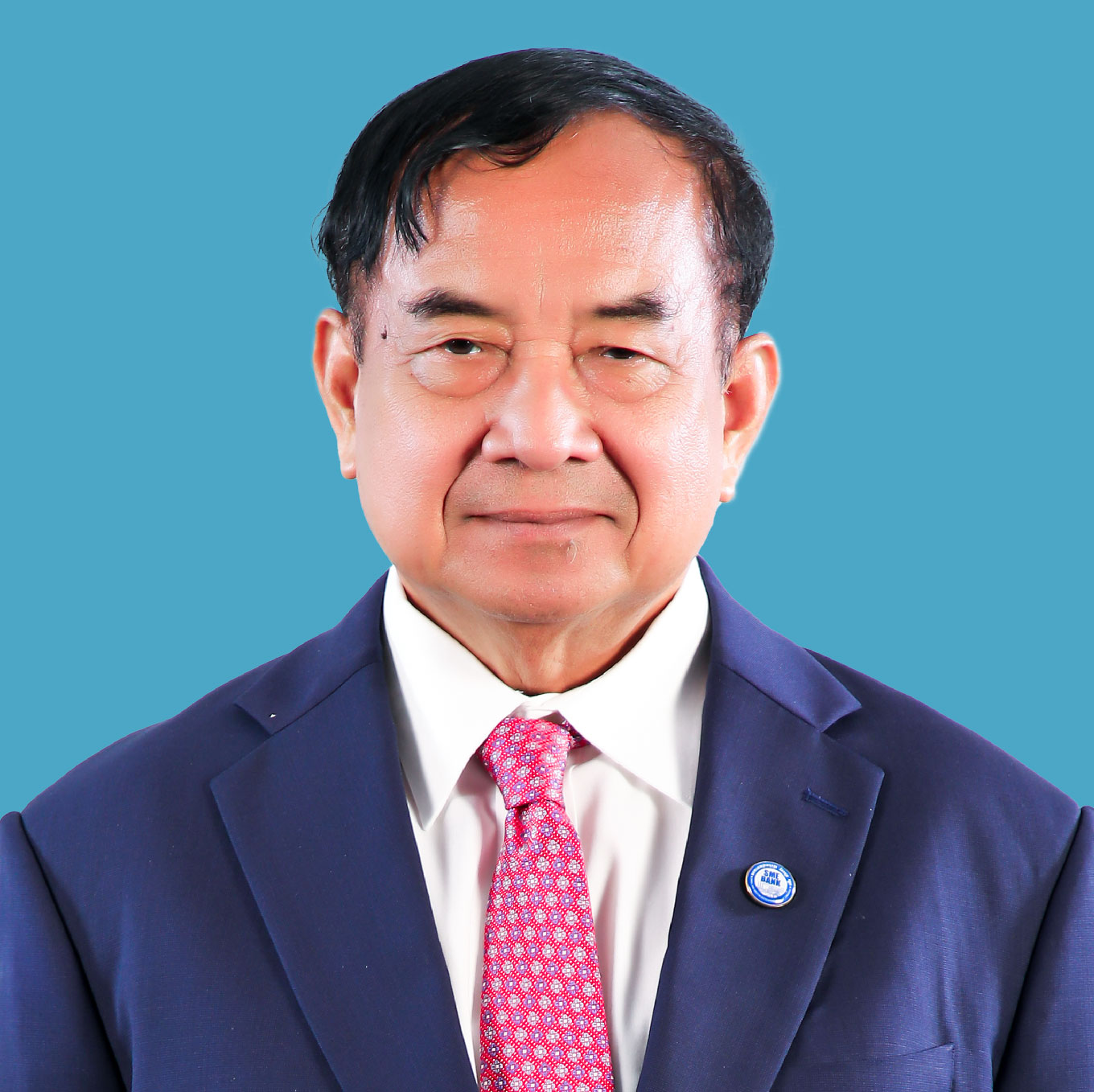
H.E SON Senghuot
Member of Board of Directors
H.E. SON Senghuot is Secretary of State at the Ministry of Industry, Science, Technology and Innovation. Prior to 2013, he served as Director of the Provincial Department of Industry, Mines and Energy in Phnom Penh. From 2013 to 2014, he served as Deputy Director General of the Department of Small and Medium Enterprises and Handicrafts under the Ministry of Industry and Handicrafts.
He currently serves as Secretary of State in charge of the General Department of Small and Medium Enterprises and Handicrafts, as well as the Department of Industrial Affairs under the General Directorate of Industry within the Ministry of Industry, Science, Technology and Innovation.
H.E. Son Senghout holds specialized training in Small and Medium Enterprise (SME) management from Vietnam, and training in “One Village One Product” (OVOP) management from Japan. He has also completed short-term training programs on SME management in Singapore and South Korea. In addition, he obtained a master’s degree in public administration from the Asia Euro University.
Member of Board of Directors
History of H.E CHAN Sokty
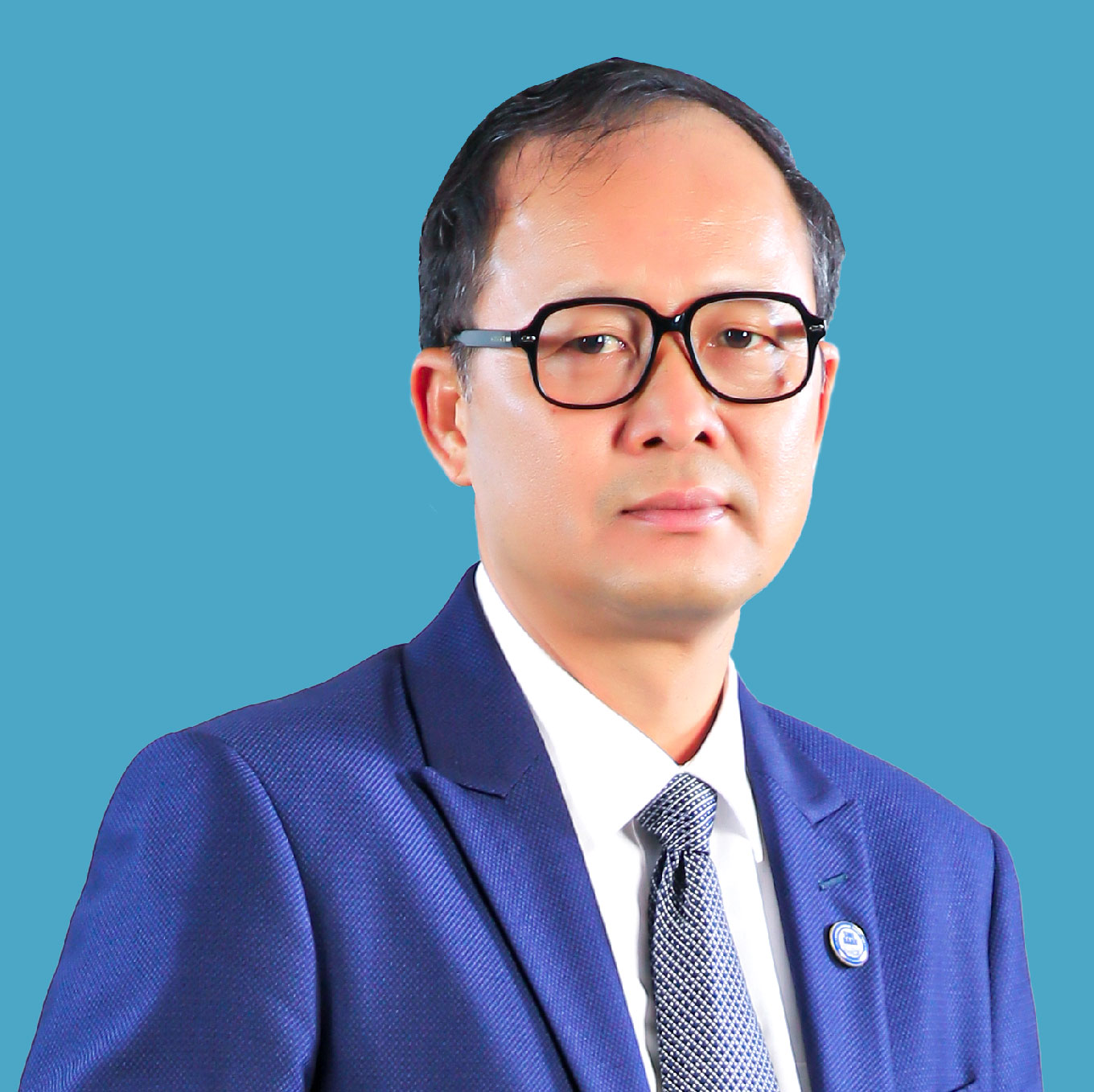
H.E CHAN Sokty
Member of Board of Directors
H.E. CHAN Sokty currently serves as the Royal Government Delegate in charge and General Director of Green Trade Company under the Ministry of Commerce, with a rank equivalent to Secretary of State. He is also a member of the Steering Committee for the Management of Cambodia’s Food Reserve System (CFRS).
Previously, he served as Director General of Domestic Trade at the Ministry of Commerce and as Project Director of the Agricultural Market Information System (AIMS), which aims to promote markets for small-scale agriculture.
He joined the Ministry of Commerce in 1997 as an officer in the Laboratory Office under the General Department of Camcontrol. Throughout his career, he has held several key positions within the Ministry, including Deputy Chief of the Dry Port Branch, Deputy Director of Department, Deputy Director General of the General Department of International Trade, and Acting Director General of the General Department of Trade Promotion.
H.E. Chan Sokthy holds a Bachelor’s Degree in Chemical and Food Engineering from the Institute of Technology of Cambodia and a Master’s Degree in Agriculture from the University of Tokyo.
Member of Board of Directors
History of Mrs. CHHORN Dalis
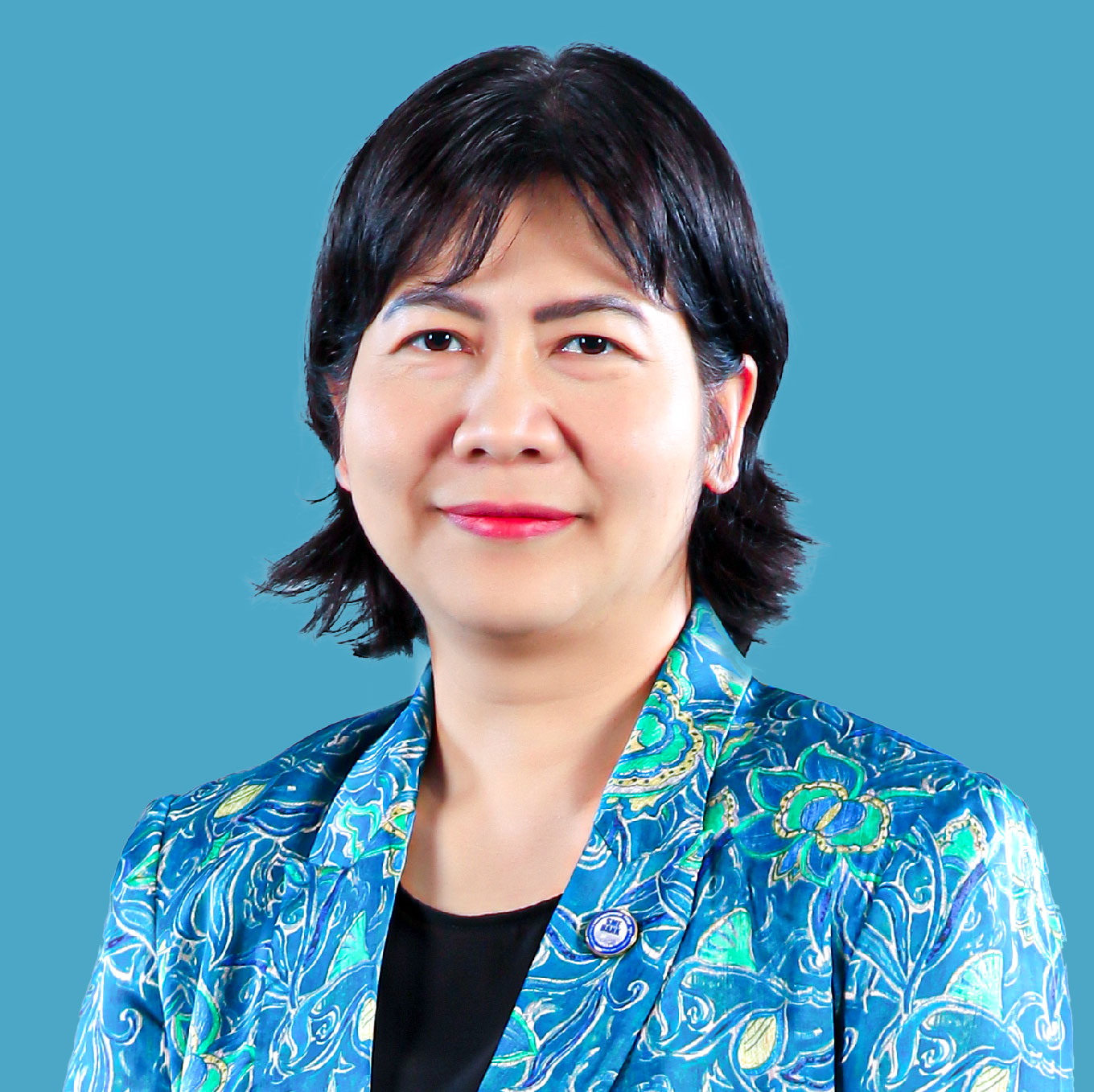
Mrs. CHHORN Dalis
Member of Board of Directors
Mrs. CHHORN Dalis was appointed as an Independent Member of the Board of Directors of SME Bank of Cambodia Plc. (SME Bank) in 2020. She has more than 20 years of professional experience as an accountant and in leading small and medium-sized enterprises (SMEs) across various sectors, including agro-industry and water supply.
She holds a Master’s Degree in Business Administration from the Asian Institute of Technology and a Master’s Degree in International Finance from the SKEMA Business School (formerly CERAM Sophia Antipolis), which she obtained in 2002.
Member of Board of Directors
History of H.E. Dr. KONG Marry
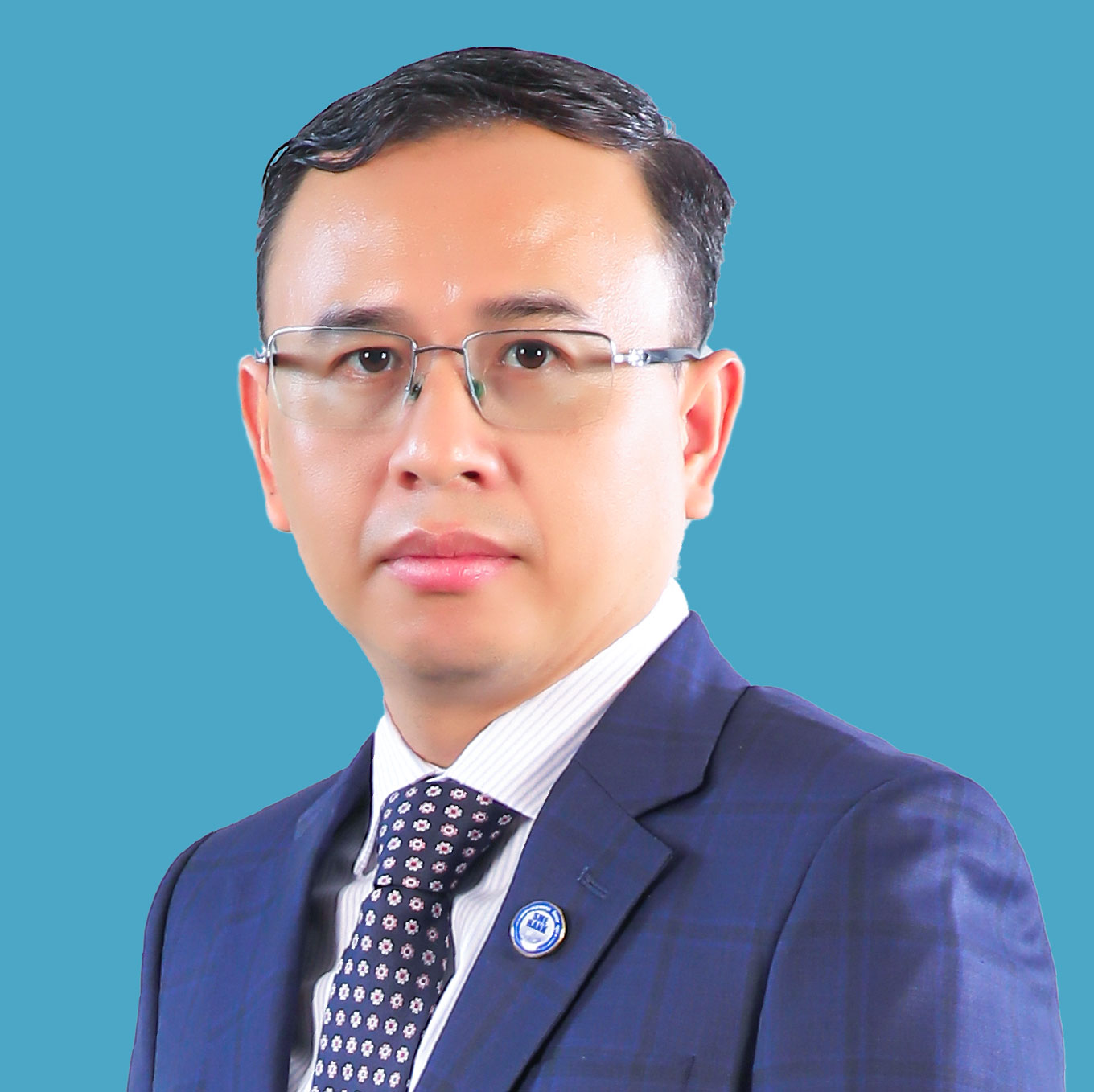
H.E. Dr. KONG Marry
State of Controller
H.E. Dr. KONG Marry is Secretary of State at the Ministry of Economy and Finance, Chairman of the Board of Directors of the Techo Startup Center, Head of the Secretariat of the Entrepreneurship Development Fund, and Secretary-General of the General Secretariat of the Digital Economy and Business Committee.
Within the Ministry of Economy and Finance, he is responsible for supporting reforms through the application of digital technologies, promoting startups and entrepreneurship, advancing the digital transformation of SMEs, and fostering innovation in financial technology (FinTech).
He holds both a Master’s Degree and a Doctoral Degree in Information Technology from the Waseda University.
State of Controller
Chairman's Statement
In 2025, Cambodia’s economy faced two major headwinds, including: imposition of reciprocal tariff by the United States, and the escalating border tensions with Thailand, which resulted in two consecutive armed clashes.
Despite these pressures, the U.S. reciprocal tariff did not significantly harm Cambodia’s economic performance. In contrast, Thailand’s unilateral closure of land border crossings, coupled with ongoing tensions, had a substantial impact on economic activity. These effects were particularly evident in ‘Thailand+1’ manufacturing, cross-border tourism, agricultural exports, private remittances, transportation, and the financial sector.
Concurrently, several notable trends emerged, including stronger support for and increased consumption of domestic products, improvements in local production capacity, shifts in transportation routes and modes, and greater diversification of value chains away from reliance on the Thai market.
Meanwhile, the financial and banking sectors remained relatively strong and resilient, despite persistently low credit growth and a gradual increase in non-performing loans (NPL). In 2025, credit provided by the banking system expanded by only 5.4%, while NPL ratios remained elevated at 8.3% for deposit-taking banking and financial institutions and 13.5% for non-deposit-taking institutions.
Nevertheless, capital adequacy and liquidity positions remained robust. The capital adequacy ratio stood at 22% for deposit-taking institutions and 31.2% for non-deposit-taking institutions, both well above the regulatory minimum of 15%. Liquidity levels were also strong, with a liquidity coverage ratio of 179.3% for deposit-taking institutions, significantly exceeding the regulatory requirement of 100%.
Amid these less favorable and uncertain economic and financial conditions, the Small and Medium Enterprise Bank of Cambodia (SME Bank), as a policy bank, continued to play an active role in providing credit to small and medium enterprises (SMEs), particularly in priority sectors aligned with key national policies. These include the Pentagonal Strategy Phase I, Program to Promote Competitiveness, Enhance Diversification, and Strengthen Resilience for Economic Growth in a Highly Uncertain Global Environment of the Royal government of the 7th Legislature of the National Assembly; as well as the Program to Promote and Improve the Business and Investment Climate in Cambodia (2025–2028) and other related policy frameworks.
As of end-2025, the SME Bank’s total outstanding loan portfolio reached USD 230 million, of which approximately USD 165 million comprised direct lending. These loans supported a total of 2,850 enterprises, with women entrepreneurs accounting for 29% of beneficiaries.
On behalf of the Board of Directors, I am pleased to observe the continued growth of SMEs, particularly in priority sectors, supported by the SME Bank’s financing in recent years. This progress reflects the sound and effective policy direction of the Royal Government, as well as the collective efforts of all stakeholders—especially SMEs—in strengthening the resilience and inclusiveness of Cambodia’s economy.
Finally, on behalf of the Board of Directors, management, and staff of the SME Bank, we reaffirm our commitment to further enhancing our efforts to meet the evolving needs and expectations of our customers. We will continue to improve the effectiveness of credit provision and expand access to finance for SMEs across Cambodia.
Secretary of State
Ministry of Economy and Finance
(Chairman of Board of Directors)
- Executive Management
History of Mr. CHEA Sophak
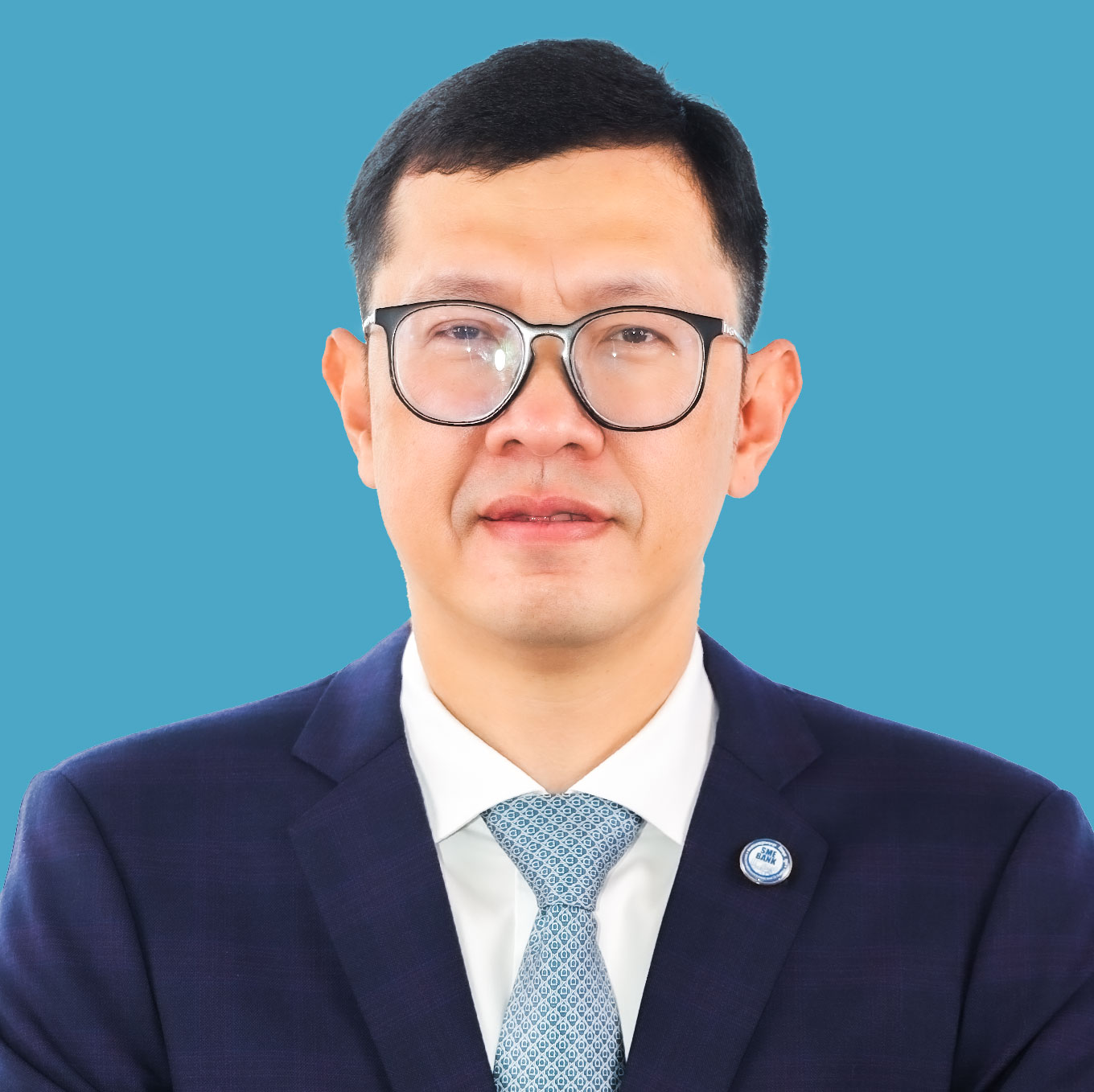
Mr. CHEA Sophak
Chief Executive Officer and Board Member of SME Bank
Prior to joining SME Bank, Mr. CHEA Sophak served as Deputy Director General of the General Department of Policy and Deputy Secretary-General of the Economic and Financial Policy Committee at the Ministry of Economy and Finance.
During his tenure at the Ministry of Economy and Finance, he was also appointed as an Alternate Executive Director representing the Kingdom of Cambodia at the Asian Development Bank (ADB), where he served for two years in Manila, Philippines.
He holds a Master’s Degree in International Economics and Development from the Australian National University (ANU).
Chief Executive Officer
History of Mr.OEUR Vibol
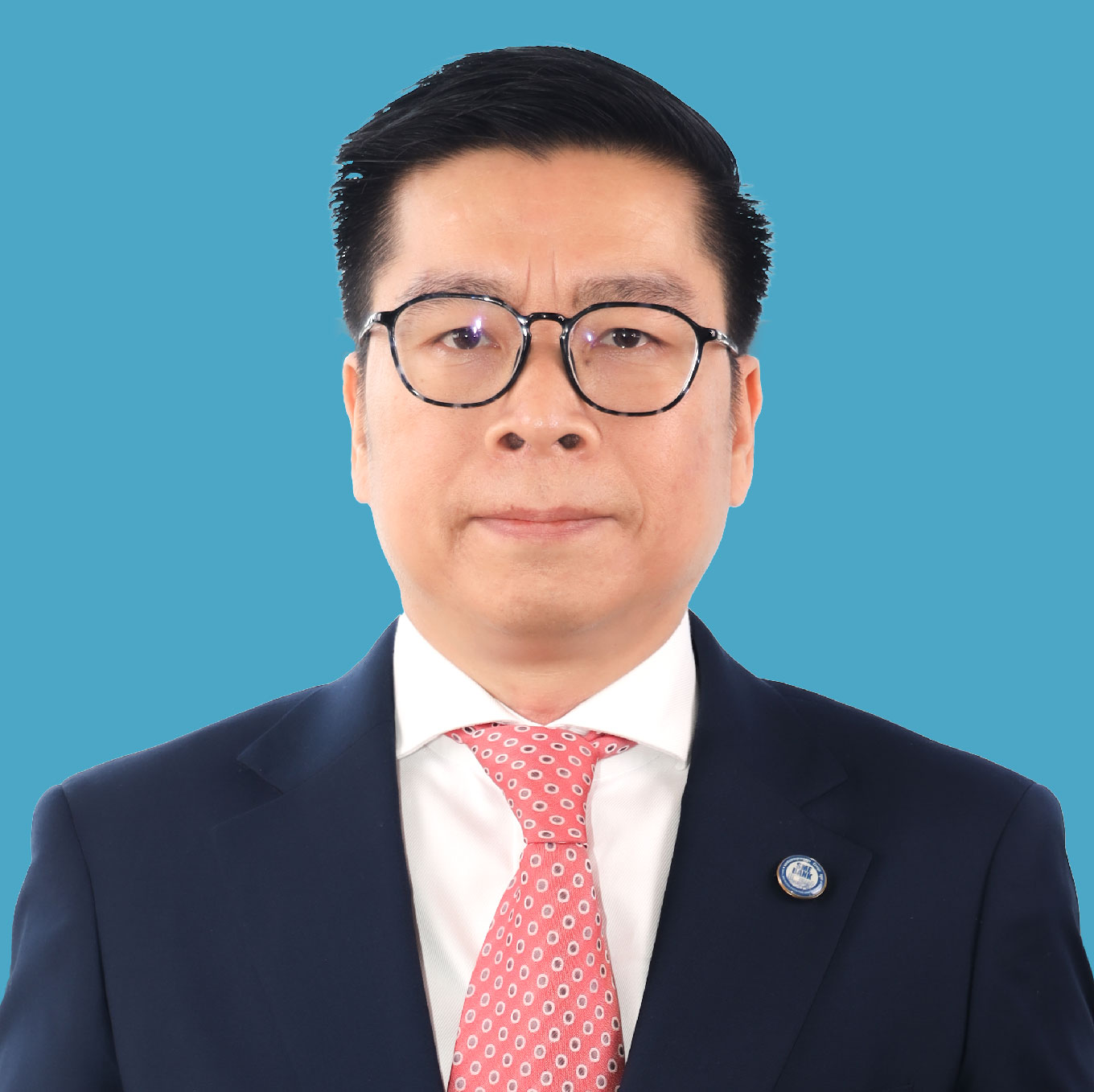
Mr. OEUR Vibol
Chief Credit Officer
Mr. OEUR Vibol has more than 20 years of professional experience in the banking sector. He began his banking career in 2004 at one of Cambodia’s leading local banks, where he held various positions in the accounting and finance functions.
In 2010, he joined one of the region’s major banking groups and became part of the team involved in establishing a new commercial bank. This role enabled him to further expand his expertise and professional experience in accounting, finance, and risk management. His most recent position was Head of Risk Analytics and Management, where his primary responsibilities included developing and implementing risk management frameworks and policies to ensure alignment with the bank’s operations and regulatory requirements.
Mr. OEUR Vibol graduated in 2004 with a Bachelor’s Degree in Accounting and Finance from the National University of Management.
Chief Credit Officer
History of Mr. Huot Sokha
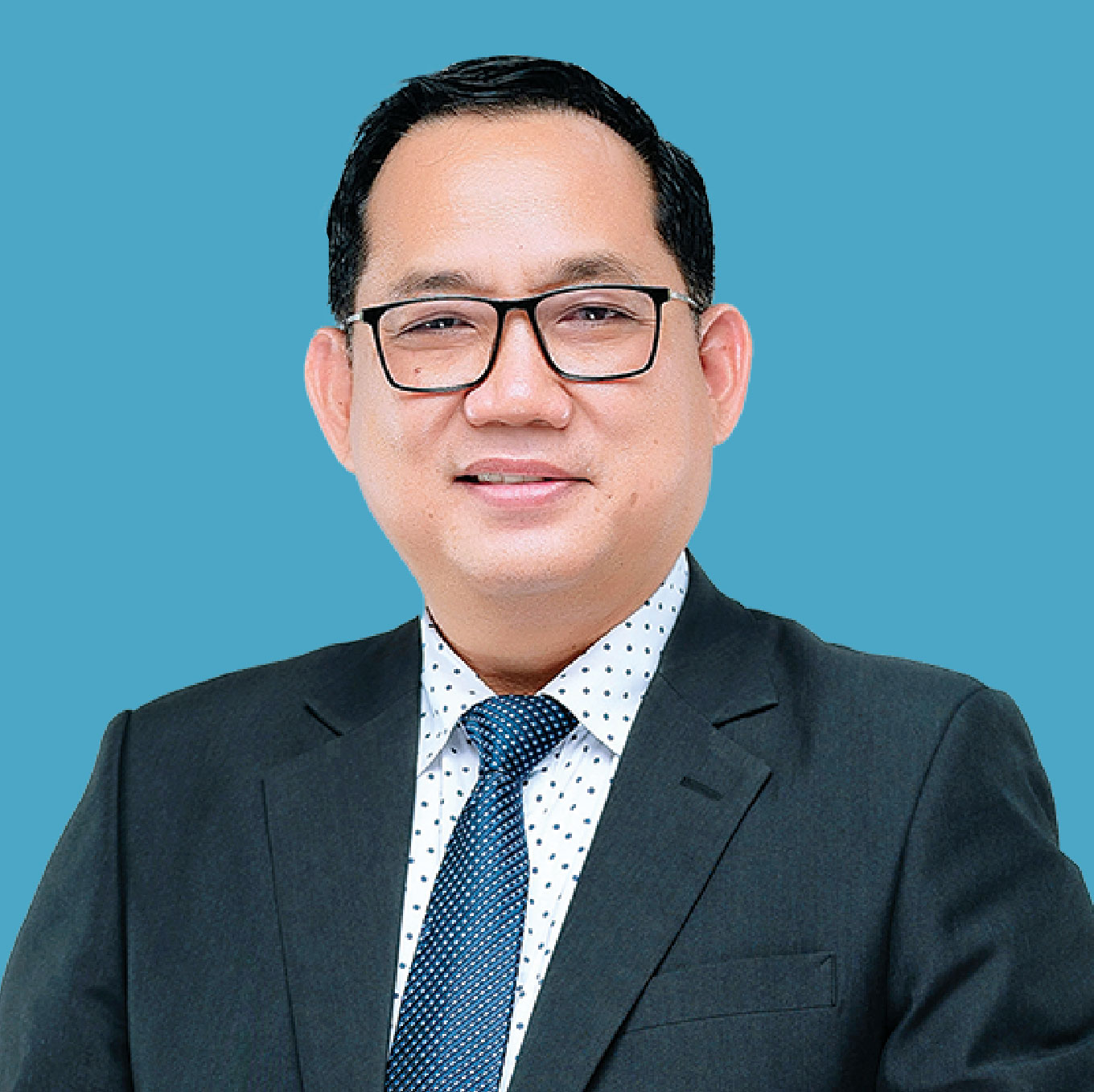
Mr. Huot Sokha
Chief Business Officer
Mr. HUOT Sokha has more than 25 years of experience in management and leadership roles across international trading companies, microfinance institutions, banks, and the garment industry.
He earned a Bachelor’s Degree in Management and Marketing from the Mekong University (MVU) in 1997. In 2004, he completed a master’s degree from the Charles Sturt University.
He also completed a Master’s Program in Finance at Naropa University
Chief Business Officer
History of Mr. Suon Sisowath
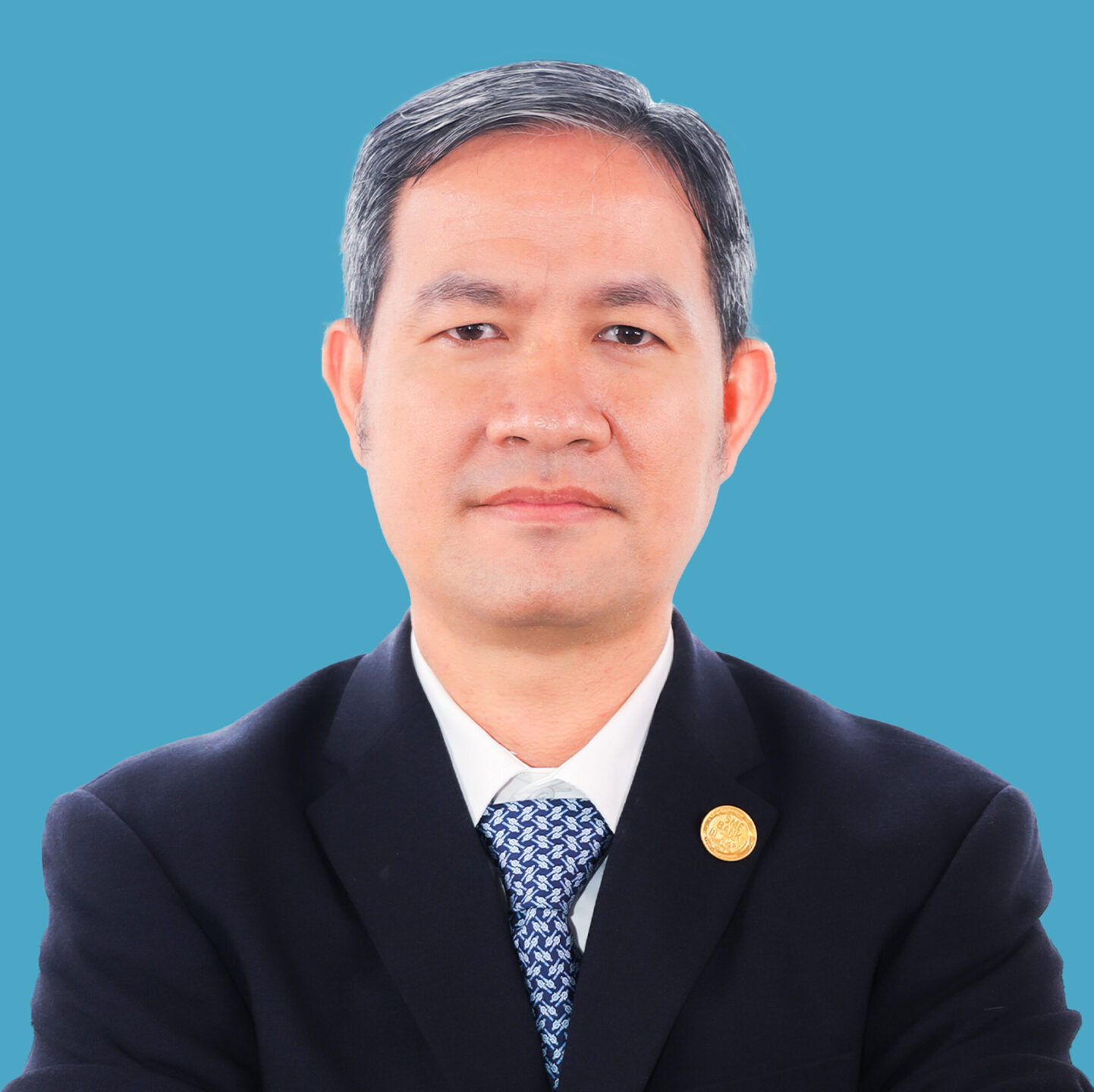
Mr. SUON Sisowath
Chief Finance Officer
Mr. SUON Sisowath has more than 18 years of professional experience in the banking industry, with expertise in accounting, auditing, and finance. Prior to joining SME Bank, he served as Deputy Director of Finance at a commercial bank in Cambodia.
He holds a Bachelor’s Degree in Business Administration, majoring in Accounting, from the Institute of Technology and Management.
In addition, he completed the core professional modules of the Association of Chartered Certified Accountants (ACCA) program and was awarded an Advanced Diploma in Accounting and Business from CamEd Business School.
Chief Finance Officer
History of Mr. Han Koemsreang
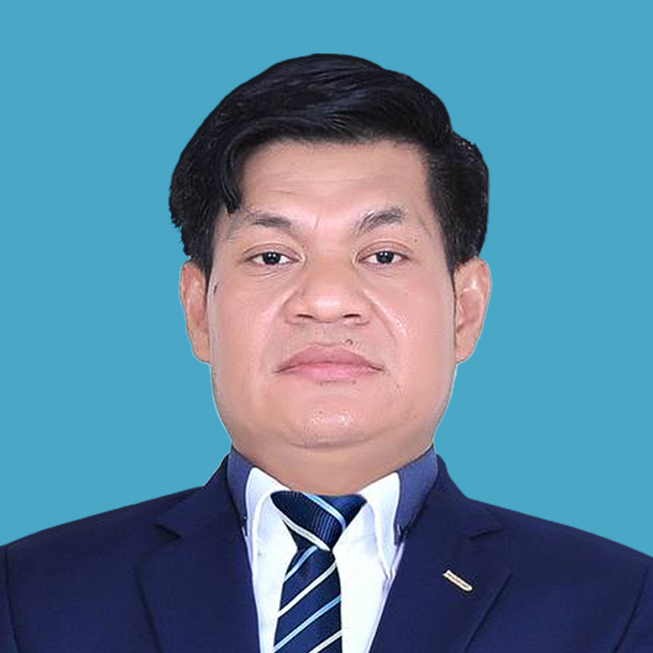
Mr. HAN Koemsreang
Chief Technology Officer
Mr. HAN Koemsreang has more than 15 years of experience in the banking sector, bringing extensive expertise in information technology development and the implementation of enterprise technology strategies.
He holds a Bachelor’s Degree in Computer Science and Engineering, majoring in Information Systems, from the Build Bright University, which he completed in 2010.
In addition, he has participated in numerous professional training programs and workshops related to information technology in Cambodia, India, and Vietnam, further strengthening his expertise in IT management, digital systems, and technology innovation within the banking industry.
Chief Technology Officer
- Middle Management
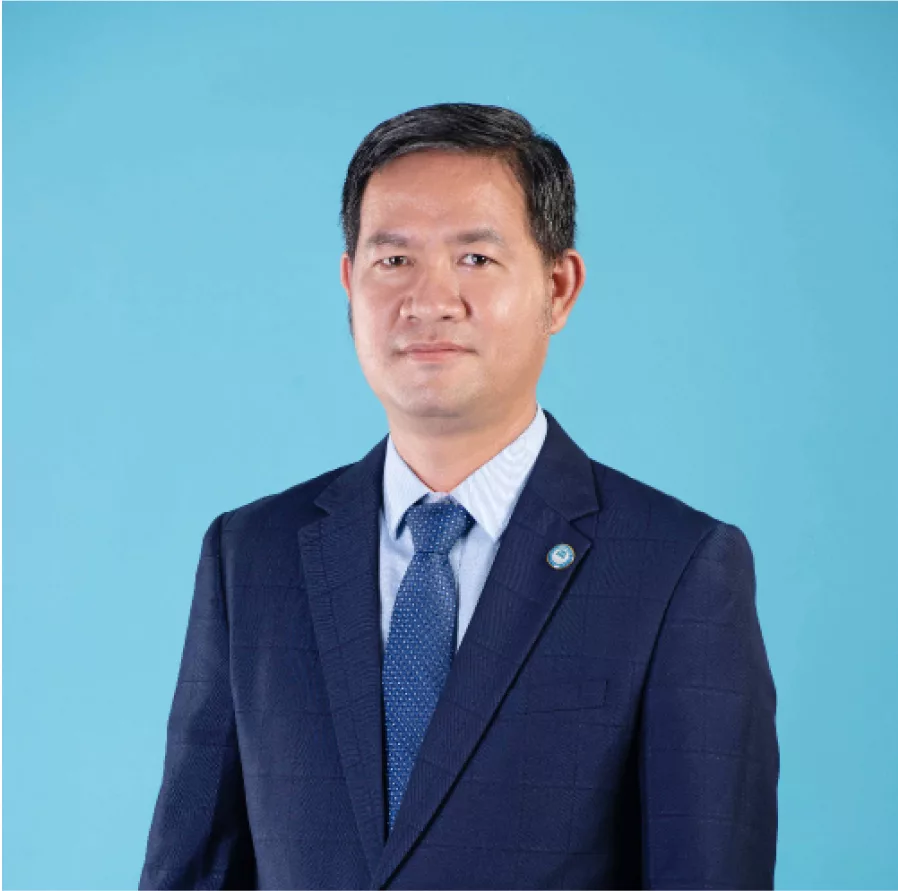
Mr. SUON Sisowath
Head, Financial Reporting and Planning

Mr. KUOCH Phally
Head, Operations
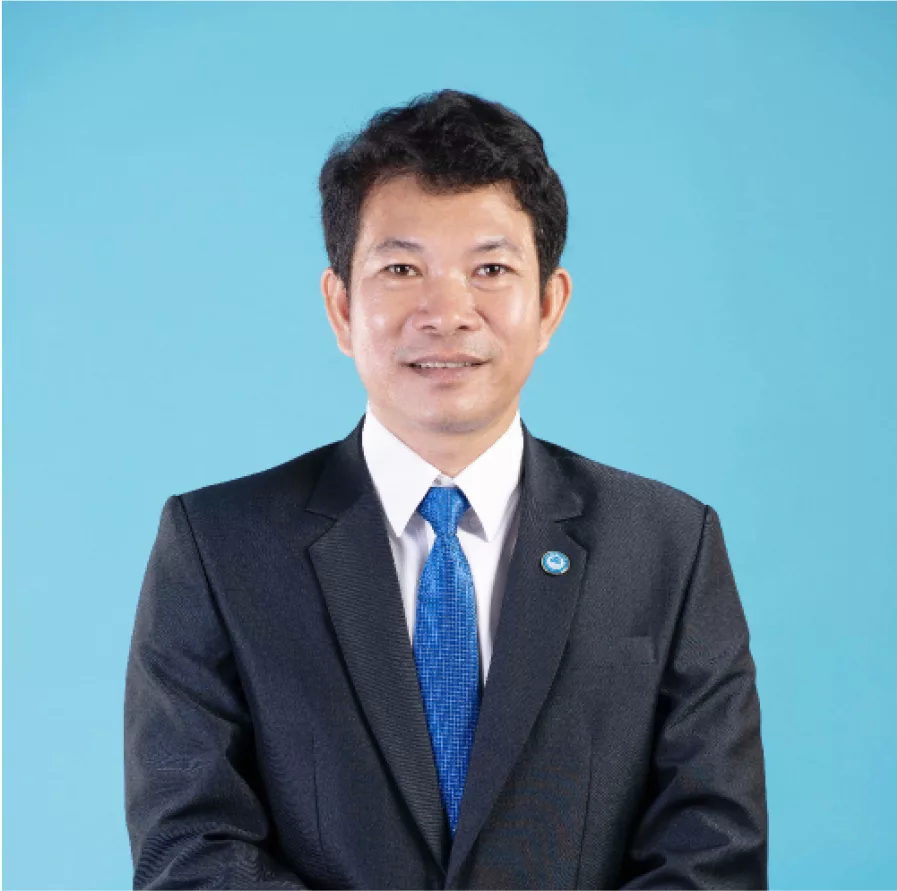
Mr. SAO Rithy
Head, Business Relationship
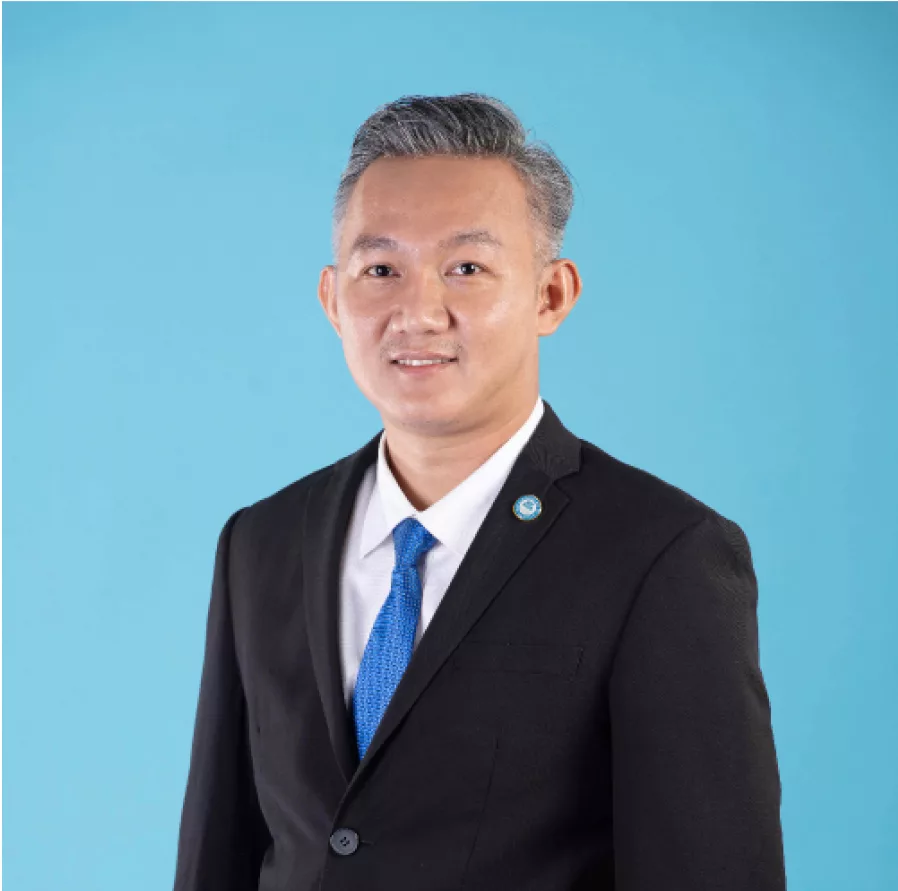
Mr. CHHENG Kakada
Head, Infrastructure
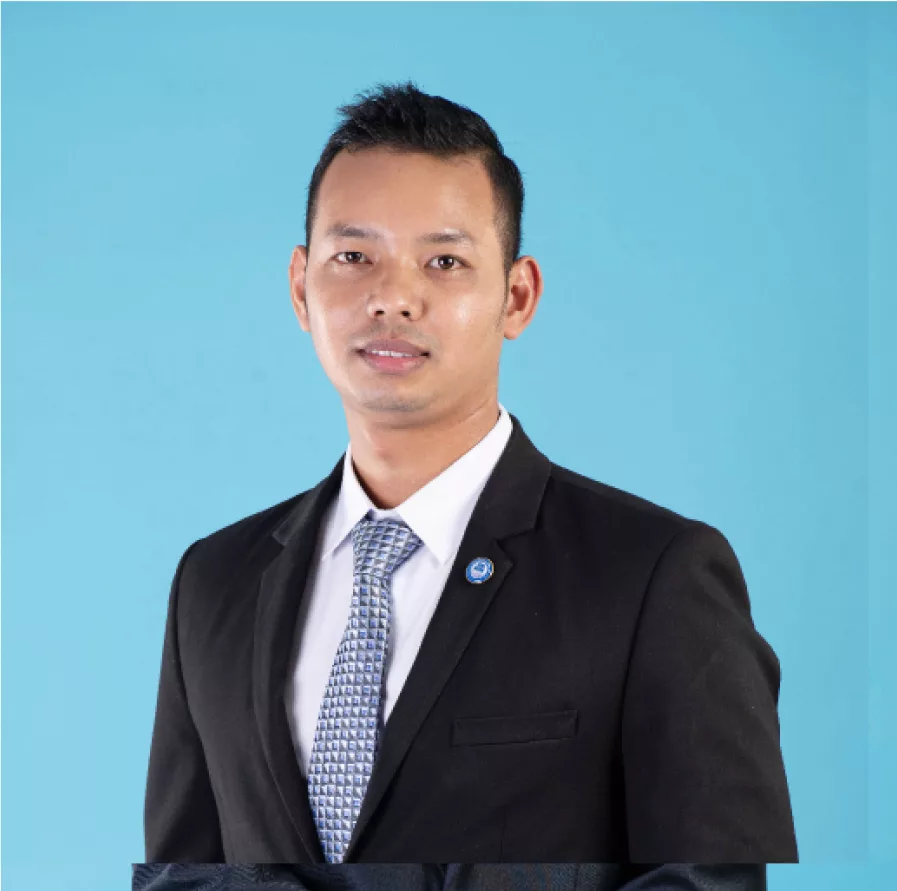
Mr. PHON Veasna
Head, Marketing
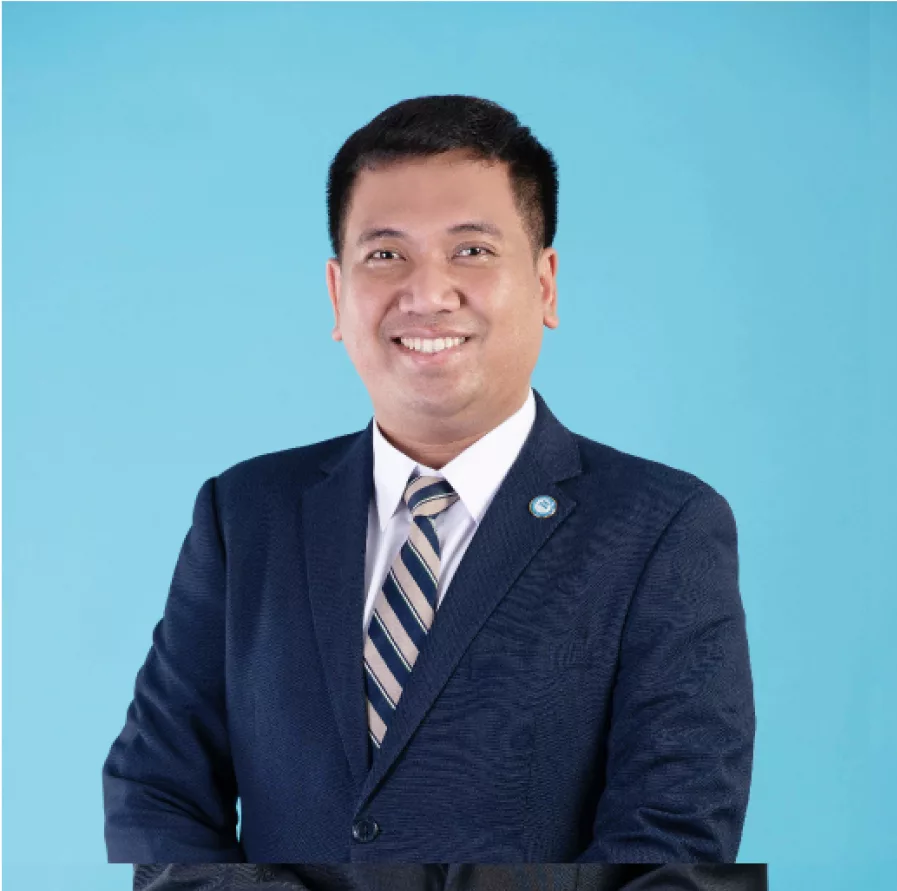
Mr. TORNG Putthy
Head, Human Resource
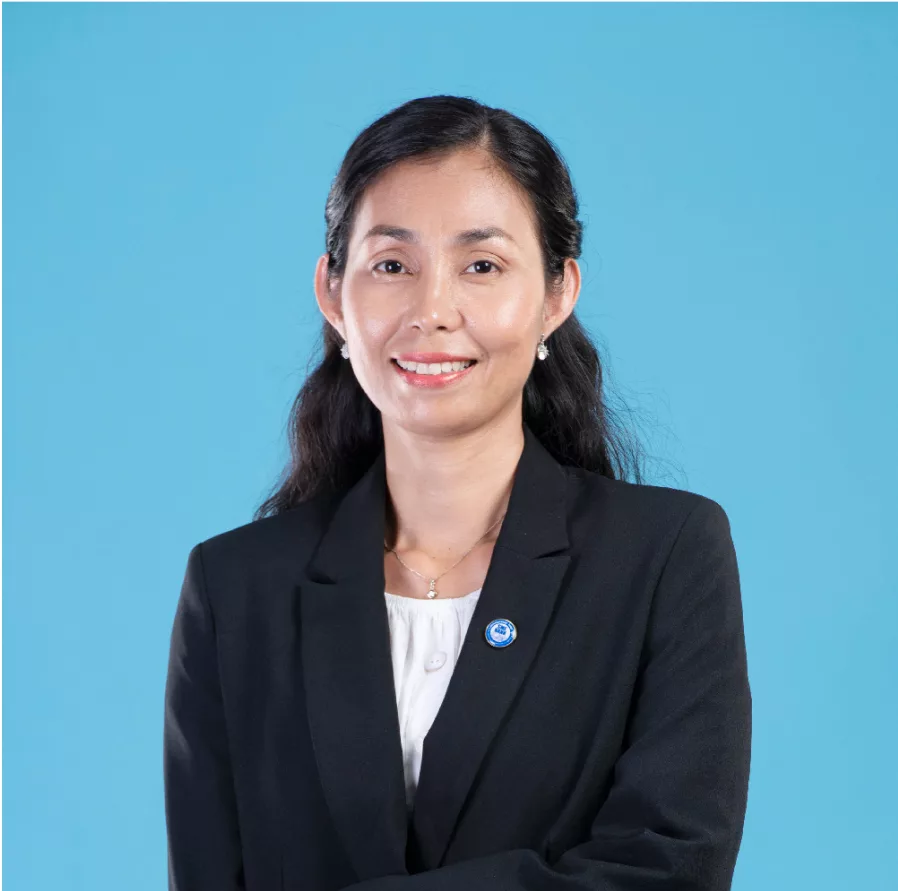
Ms. NOUV Sotheary
Head, Credit
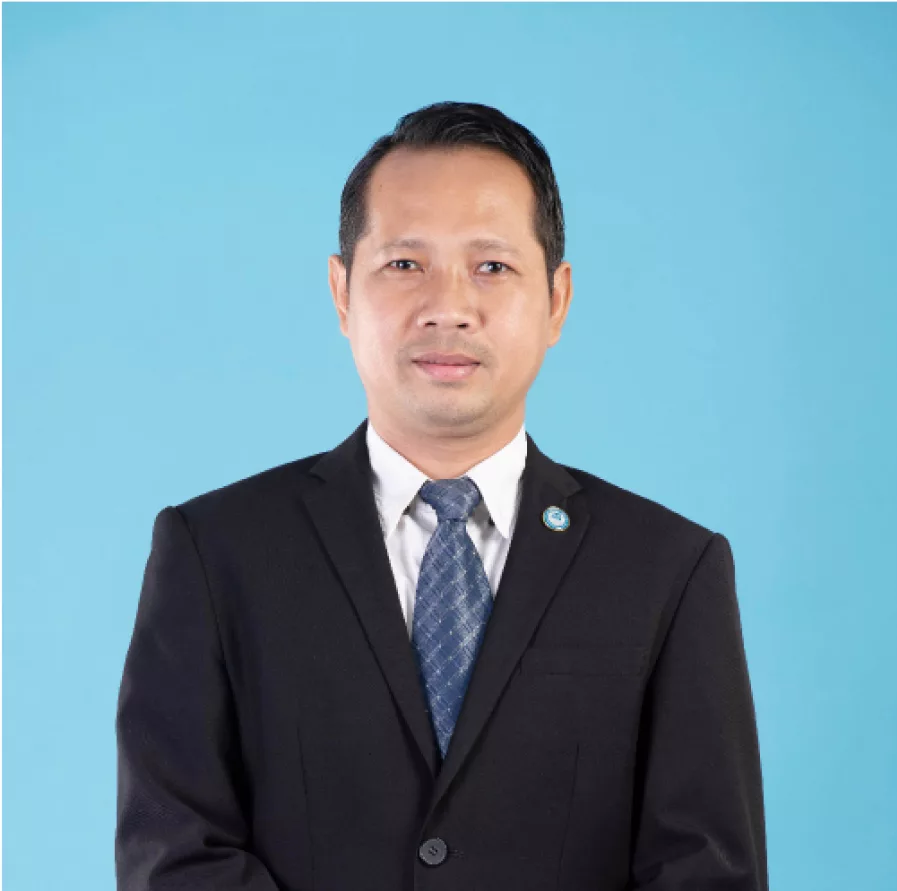
Mr. IEM Sokha
Manager, Compliance
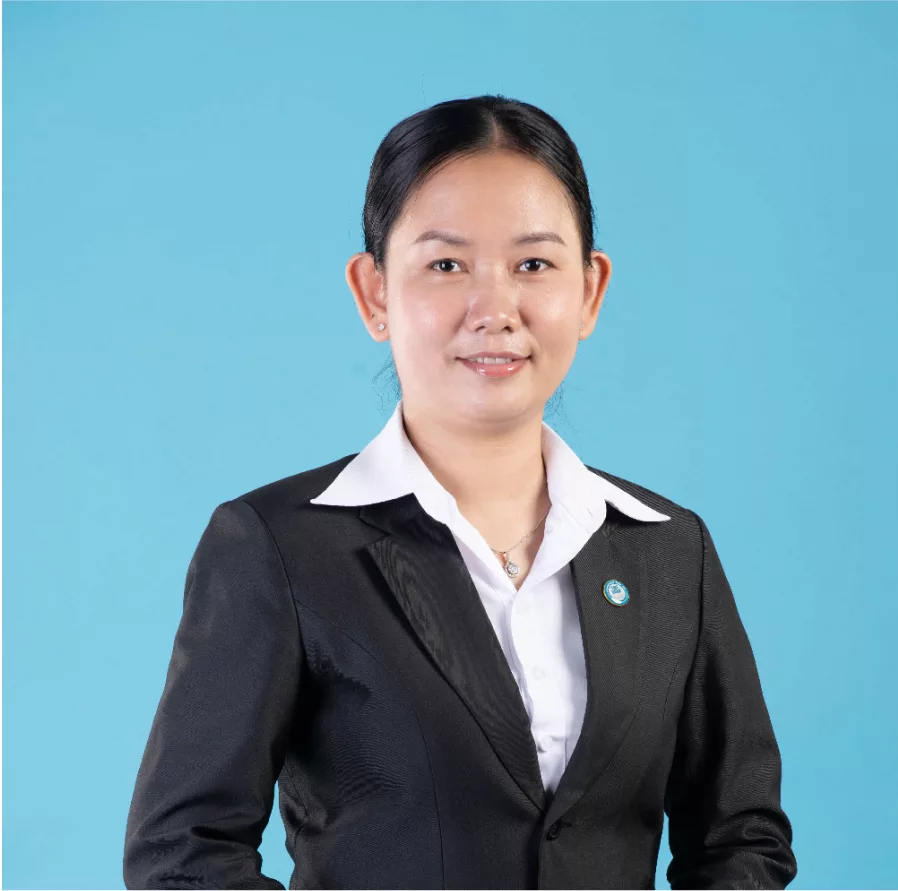
Ms. VOEURNG Sarika
Head, Legal and Company Secretary
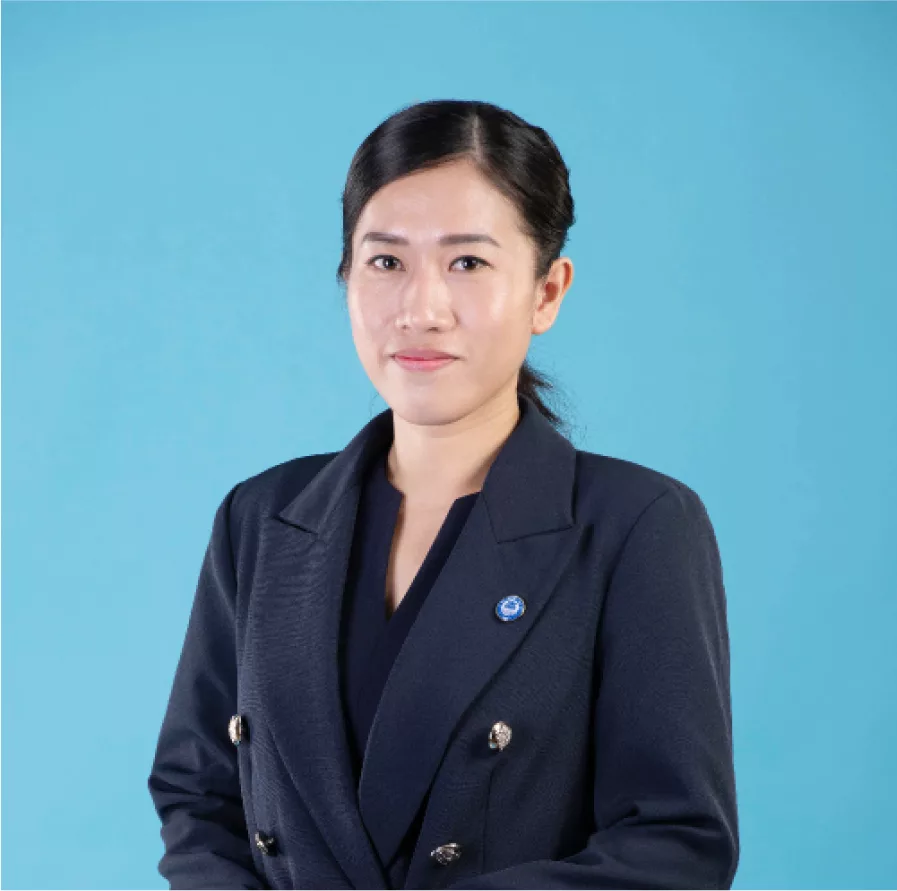
Ms. NOUN Sovanarat
Manager, Procurement, and Personal Assistant to CEO
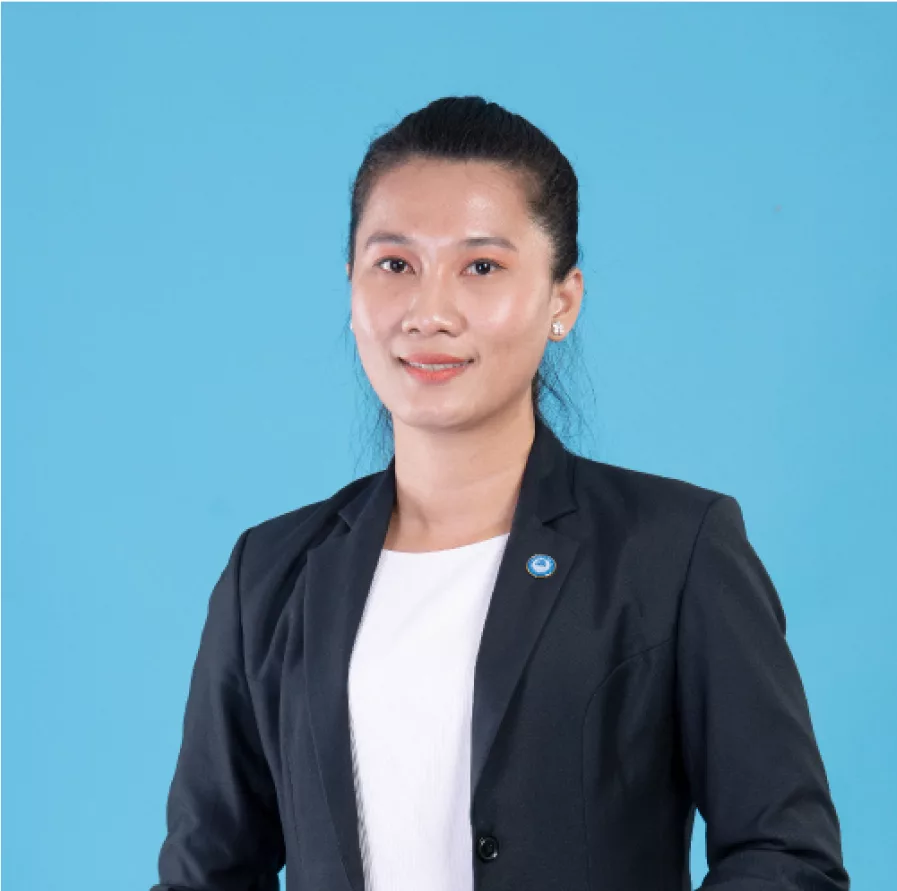
Ms. CHHUO Thavry
Head, Internal Audit
CEO's Statement
Amid domestic and external challenges—particularly the implementation of reciprocal tariffs imposed by the United States, as well as ongoing Cambodia–Thailand border tensions—the SME Bank of Cambodia (SME Bank) has intensified its efforts to support economic stability by expanding access to financing for small and medium enterprises (SMEs). The Bank has introduced greater flexibility and enhanced concessional terms to better meet the needs of SMEs, especially those operating in priority sectors.
As a result, SME Bank recorded the following key achievements in 2025:
• Total direct loan disbursements reached approximately USD 58 million, while the total outstanding loan portfolio increased to USD 230 million, of which USD 165 million comprised direct loans.
• A total of 2,850 enterprises received financing (including both co-financing and direct lending), of which 556 enterprises benefited from direct loans.
• Direct lending to priority sectors accounted for 71.8%, with manufacturing and processing representing the largest share at 50.2%.
• The non-performing loan (NPL) ratio stood at 8.64% of the total loan portfolio, or approximately 12% of direct loans.
At the same time, SME Bank has placed strong emphasis on enhancing credit efficiency for customers, particularly through digital transformation. The Bank has upgraded its core banking system and anti-money laundering (AML) solutions, while also initiating the development of mobile and internet banking platforms, which are expected to be officially launched by the end of 2026. In parallel, staff capacity development has been prioritized through targeted training and skills enhancement programs.
Meanwhile, the 2026 Business Plan, approved by the Ministry of Economy and Finance, continues to emphasize quality credit growth by expanding direct lending to SMEs in priority sectors, in alignment with the government’s policy direction. These sectors include manufacturing, assembly, processing, and agro-industries, with a particular focus on import-substitution production.
At the same time, direct lending will gradually shift toward unsecured loans, while expanding outreach to microenterprises and startups. In addition, the Business Plan emphasizes the development and piloting of new financial products—such as green loans and supply chain financing—as well as strengthening support to SMEs beyond financing.
Overall, the 2026 Business Plan outlines six key strategic priorities:
- Transforming the institution into an “employer of choice”
- Expanding distribution channels and advancing digital transformation
- Driving product innovation
- Re-segmenting the market to promote inclusive lending
- Strengthening customer-centric approaches
- Expanding services beyond financing
With a well-defined and realistic 2026 Business Plan, SME Bank is confident in further strengthening its role as a catalyst for improving access to finance for SMEs in Cambodia.
Chief Executive Officer